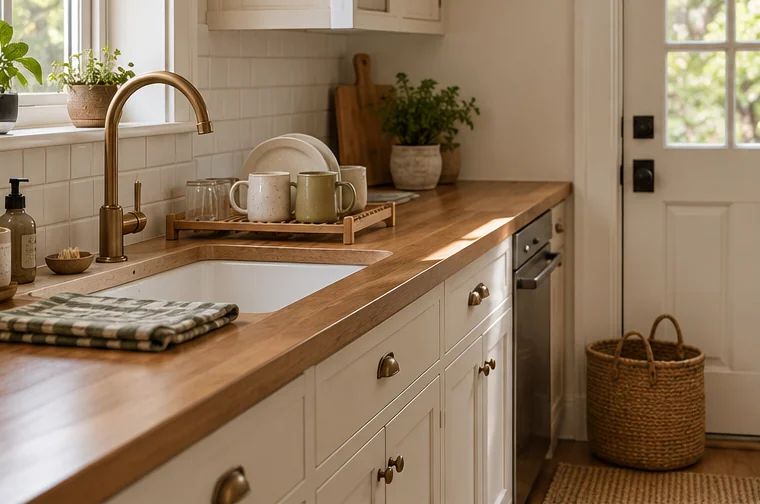
Small kitchen with clear counter and washed mugs on a draining rack
A simple Sunday reset routine should leave Monday with fewer decisions. It does not need to leave the entire home spotless. If you finish with a usable kitchen, the right clothes and a clear view of the first part of the week, the routine has done worthwhile work.
The sequence below allows about 35 minutes of active work for a modest home when there is no major backlog. The times are planning estimates, not promises: a shared kitchen, disability, children or a pile of washing may change them considerably. Choose a stopping time before you start, share tasks where possible, and use another day if Sunday is part of your working week.
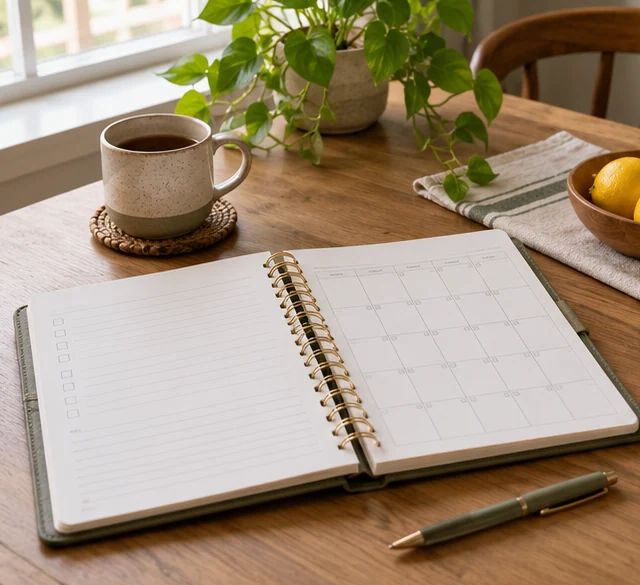
Open weekly planner with blank page and a household calendar grid without writing.
Spend the first five minutes looking at one calendar. Check work times, school arrangements, appointments, travel and anything that requires preparation. Ask what would make the first busy morning difficult. A missing clean uniform matters more than dust on a shelf when you need to leave early.
Write down up to three practical preparations. Keep the wording specific: charge the travel card, find the appointment letter, or buy food for Tuesday’s late arrival. If you share responsibilities, agree who will do what rather than passing around a vague instruction to help.
Add a little space around complicated days. You may need to move an optional errand, choose an easier dinner or arrange a lift. Avoid copying the whole week’s work into today. The preview determines the reset; it does not become another project.
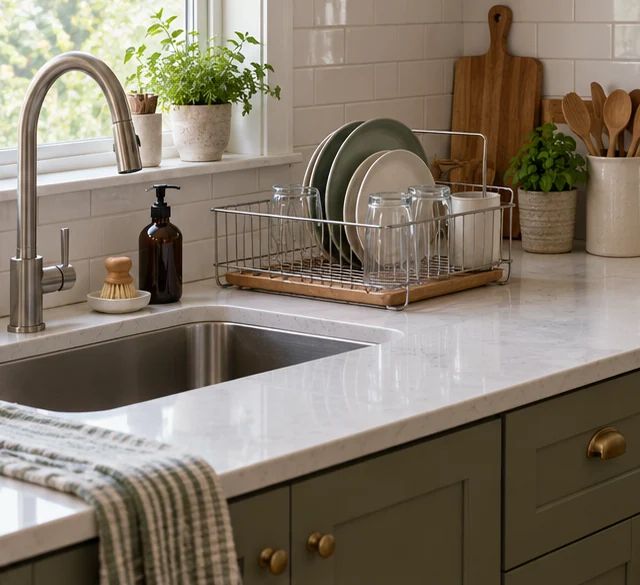
Clean kitchen sink, dry dish rack and clear worktop ready for the next morning.
Allow roughly ten minutes for the dishes and the part of the counter you need first. Put away clean dishes, load or wash the current ones, then wipe the working surface with a suitable product. Follow its label, and keep cleaning chemicals away from food. Skip a cupboard overhaul unless it directly prevents tomorrow’s meal.
Check whether you have what is needed for breakfast and one straightforward dinner. Move safe, ready-to-eat leftovers into view and label them with the preparation date. USDA guidance calls for refrigerated leftovers to be used within three to four days; freezing suitable portions is useful if they will not be eaten in time.
Do not let a fridge review leave chilled food spread across the counter while you clean elsewhere. Work one shelf or category at a time. The intended finish is space to prepare food and a short shopping note, not a full refrigerator deep clean.
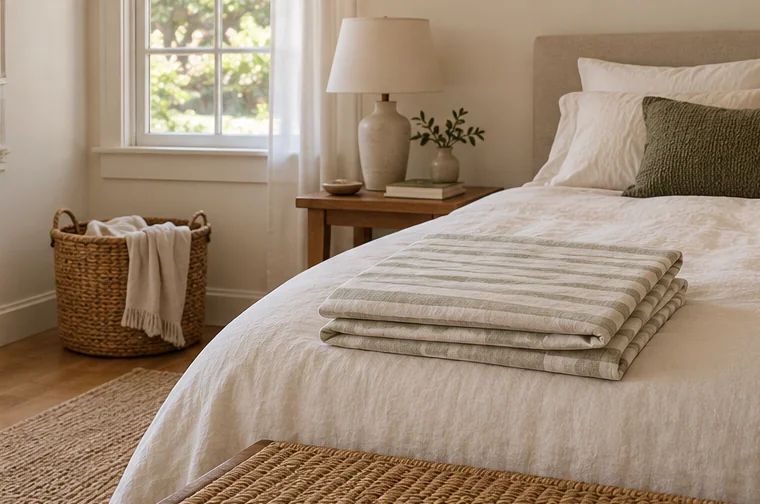
Folded cotton sheet and laundry basket in a simple bedroom
Use five minutes to identify the clothes and towels needed soonest. Start one load only if you can also dry and put it away within the time and facilities available. A wet load forgotten overnight can make the next day harder. If a full wash is unrealistic, locate an already clean outfit and deal with the laundry later.
Check the weather and the first day’s activities before setting out clothes. Put matching socks, appropriate shoes and any required work items together. This is especially useful in a small bedroom, where rummaging through several piles can undo an otherwise workable storage arrangement.
Do not treat every basket as an urgent task. Choose a laundry slot during the week for the remainder and make sure other household members can see the plan. Where people manage their own clothes, ask them to prepare their own essentials instead of making the reset one person’s invisible responsibility.
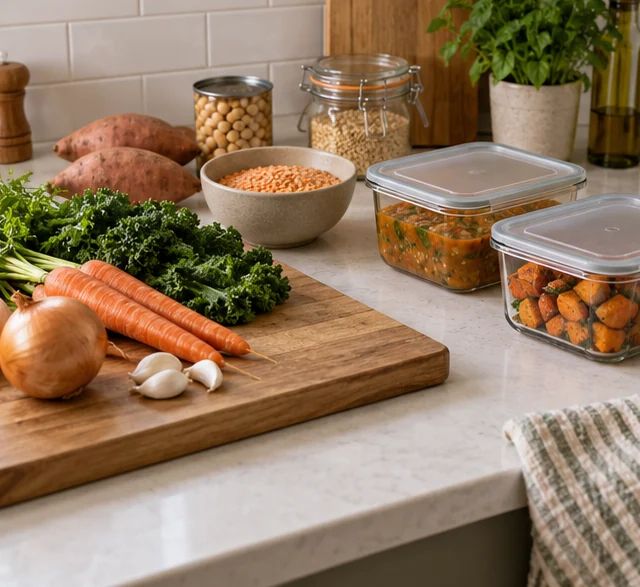
Simple dinner ingredients and two portion containers arranged on a kitchen counter.
Give food planning five focused minutes. Choose a meal for the busiest evening, a flexible meal using food already at home and an easy fallback. For example, lentil soup, jacket potatoes and eggs on toast cover different energy levels without requiring a complicated ingredient list. Account for preferences, allergies and the equipment available.
Write only the missing ingredients on the shopping list. Check the cupboards before adding a second packet of something already open. Leave room for plans changing; a meal that relies on delicate produce several days later may be less useful than one built around frozen vegetables and pantry ingredients.
Batch cooking is optional. If you enjoy it, treat the cooking, cooling and cleanup as a separate session with enough time. A reset that quietly includes three hours of cooking is no longer a short routine. The food decision itself can still make the week easier.
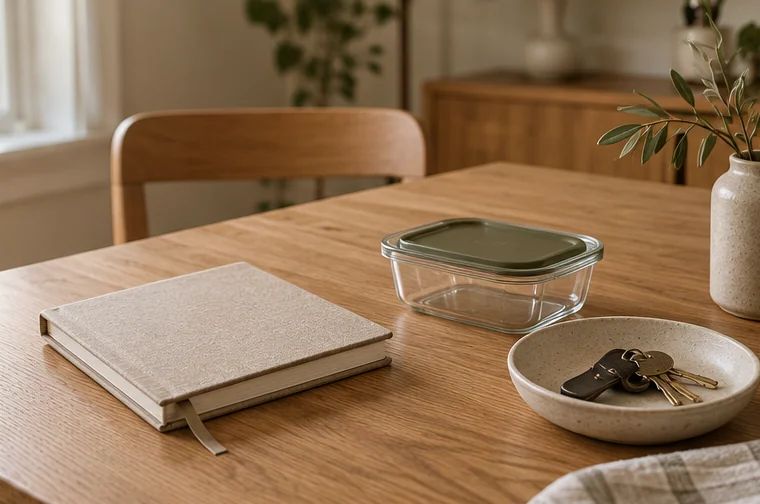
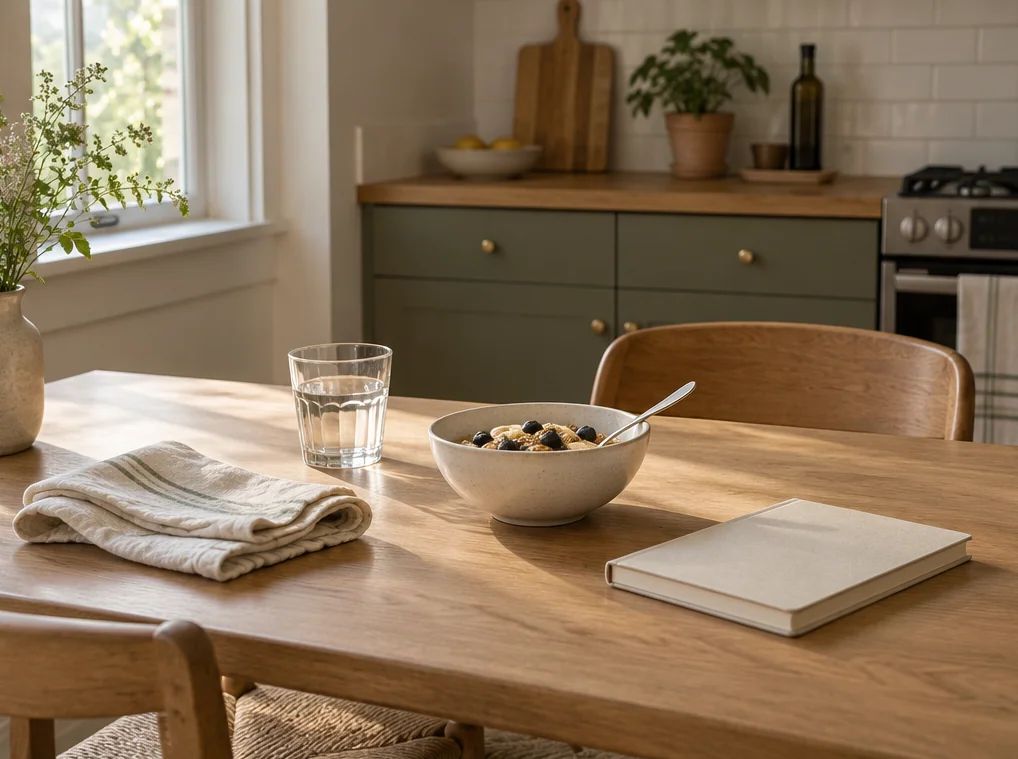
Notebook, lunch container and keys prepared on an oak table
Spend five minutes finding the bag, keys, transport pass, medication you normally carry and any task-specific paperwork. Return each to its usual home near the departure route. Keep essential medicines stored according to their labels and secured as needed; a visible landing zone is not suitable for every item. If these items repeatedly go missing, use the small space organization ideas to adjust their permanent homes.
Charge necessary devices in a practical location, with cables clear of paths. Set a reminder for refrigerated lunches or other things that cannot sit in the bag overnight. A note on the door or phone can be more useful than trying to remember while making breakfast.
If you work from home, prepare the first working surface instead. Close unused materials, locate the relevant file and write a one-line starting task. Resist setting up the entire day in advance. You are creating an easier beginning, with enough flexibility for circumstances to change.
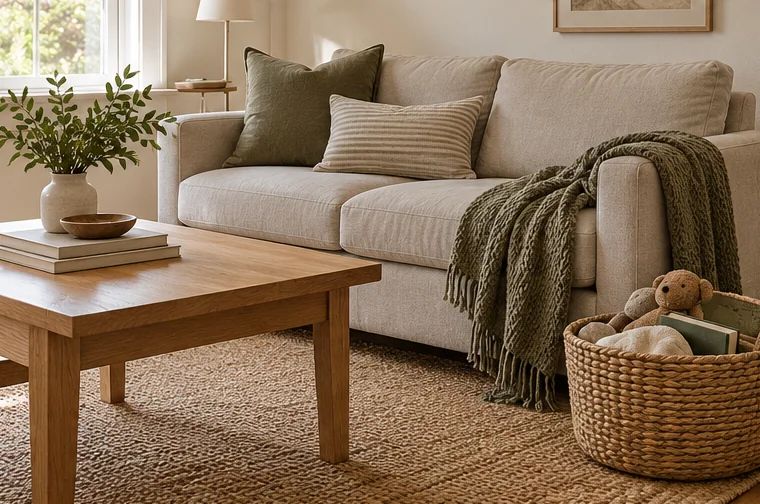
Folded throw and cleared coffee table in a small sitting room
Use the final five minutes to return obvious stray items and check the three priorities from the beginning. Move the rest to a short, realistic list for another time. If a task still needs doing tonight, make a deliberate choice about it rather than drifting into a room-by-room clean.
Take one minute to leave the plan where it will be seen. A shared note on the fridge may suit a family; a single calendar reminder may be enough for one person. Do not maintain a paper planner, wall chart and several apps unless each has a distinct purpose.
Then stop. The point of the routine is to support the week, so it should leave some of the weekend available for rest and ordinary enjoyment. Notice at the next reset which preparation helped and which task was unnecessary; shorten the routine accordingly.
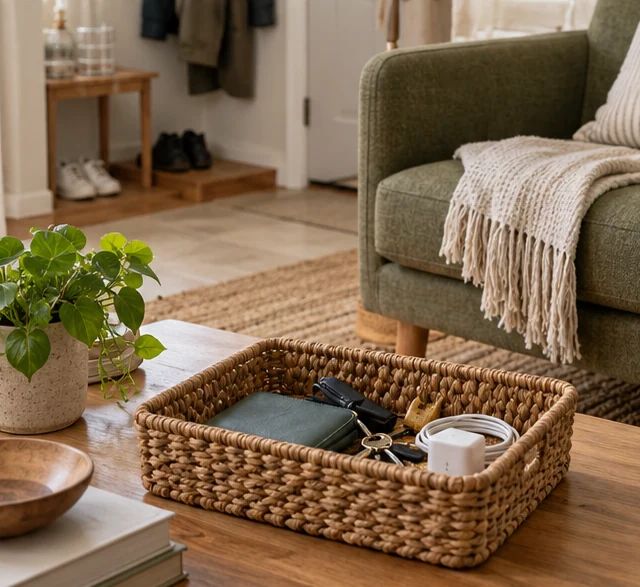
Ten-minute reset scene with cleared coffee table and one small basket for displaced objects.
On a demanding week, reduce the routine to the next morning. Spend two minutes checking the first commitment, four minutes making the kitchen usable, two minutes locating clothes and two minutes gathering departure items. These are suggested allocations: spend the whole ten minutes on the issue that matters most if necessary.
If your energy or mobility is limited, do the planning seated and ask for a specific piece of help where available. If you care for someone, work around their needs and use an earlier window. Splitting the tasks across Saturday and Monday is equally valid.
A large backlog needs a separate plan, not a more punishing Sunday. Write down the biggest obstacle, choose one next action and end the session with tomorrow somewhat easier. Returning to the short version next week is still a useful routine.
Keep the version that you can repeat. After two or three weeks, remove tasks that made little difference and make room for the one preparation that consistently saved time. A reset earns its place by being useful to your household. To keep preparation from filling the whole night, borrow a stopping point from the gentle evening habits.
Seven small space organization ideas built for everyday use, with practical storage choices, access rules and simple ways to prevent clutter returning.
Try five morning routine ideas for a calmer day, from a simpler first task to practical preparation. Choose one habit that fits your time and responsibilities.
Use seven simple living tips to reduce everyday friction, make more deliberate choices and shape manageable habits around the life and responsibilities you have.
May we use Google Analytics cookies to understand visits and which ideas readers find useful? It is optional. You can change your choice below at any time. Privacy details