Learn how to make a rental feel like home with five practical ideas for lighting, personal displays, useful storage and reversible changes that suit your lease.
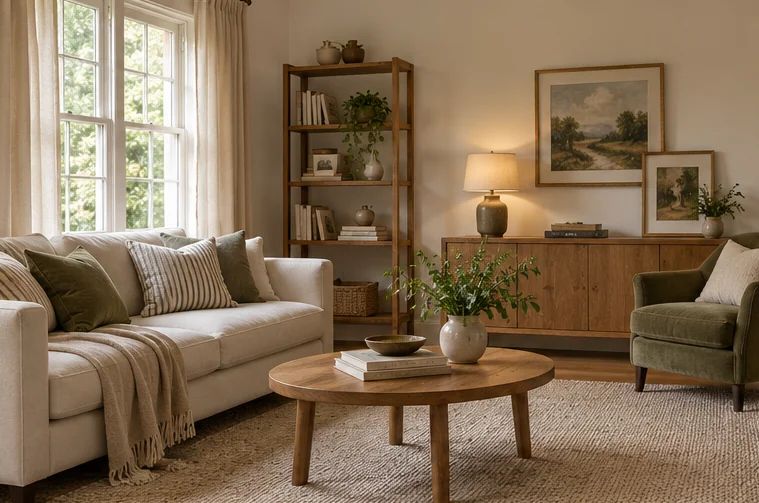
Rental living room with freestanding shelves and washable rug
If you are wondering how to make a rental feel like home, start with the routines and belongings that make the space yours. A familiar lamp, a workable place for shoes and a few pictures you actually care about can matter more than a large decorating project.
These five ways to make a rental apartment feel like home start with daily comfort. They leave room for your own books, colors and routines, without assuming that a landlord will approve painting or drilling. The smallest changes are often the ones you notice every evening.
Read the lease and get written permission for changes where required. Photograph the original fittings and surface condition, and keep any removed parts together in a labeled box. “Removable” describes an intended method, not a guarantee against damage: adhesives can lift weak paint, and temporary coverings can leave marks. If a surface is fragile or its finish is unknown, choose a portable alternative.
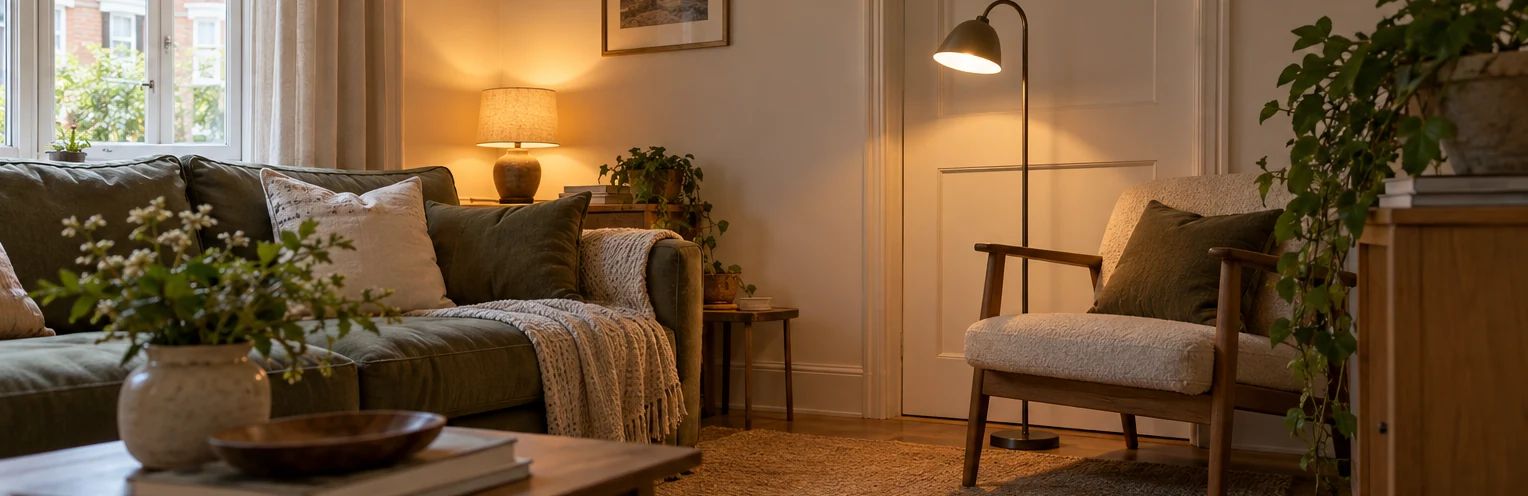
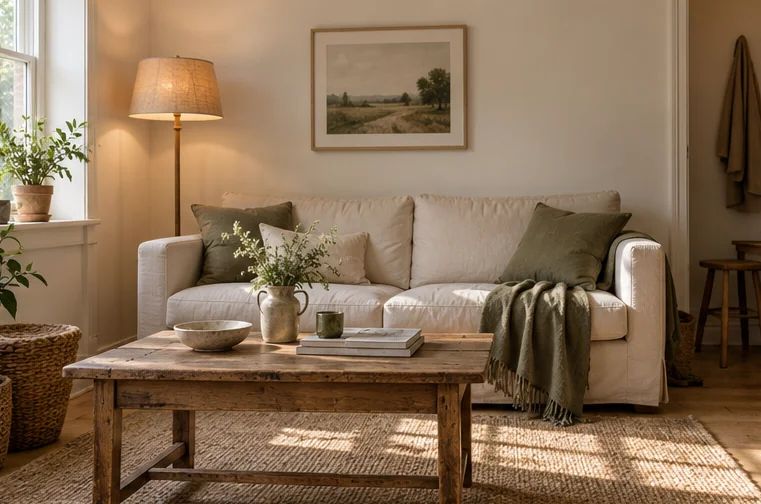
Low shaded table lamp and floor light creating pools of light in a rented living room.
Portable lamps make a rented room feel more considered because they put light where life happens. Place a shaded lamp near the sofa, a useful reading light beside the bed and a modest light near the dining spot if that area is dim. You can build this gradually; begin with the place where the ceiling fitting is most uncomfortable.
Try a warm white bulb and check it beside the room's existing lighting. Brightness and glare matter as much as color. A small lamp with a poorly shielded bulb can be less comfortable than a brighter source behind a good shade. Sit down, look toward the lamp and move it until you can see comfortably without staring into the light source.
Route cords beside furniture and away from doors and walking paths. Use fixtures and bulbs within their ratings, and keep access to outlets practical. Avoid plugging an entire room's appliances into a cluster of decorative extensions.
If the fixed fitting is unattractive, ask whether its shade can be changed safely and keep the original. Any work involving fixed wiring belongs with the appropriate qualified person and permissions. Often the portable lamps already give you the evening atmosphere you wanted, making a ceiling alteration unnecessary.
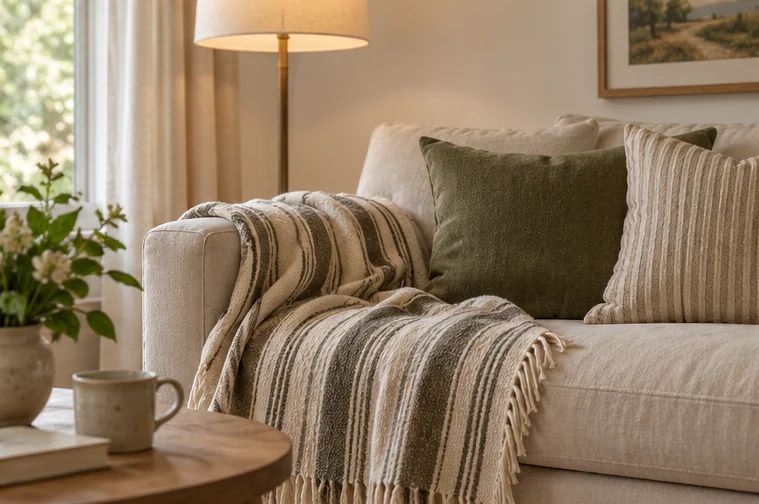
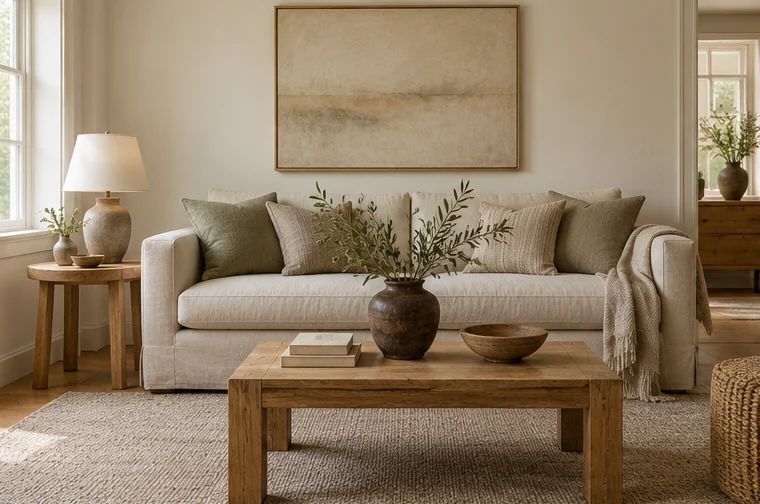
Use fabric to adjust the largest visible areas you can control: the bed, sofa, windows and floor. A cotton duvet cover in warm white, curtains that soften glare and a rug sized to the furniture can make more difference than a collection of small ornaments. Repeat a color from something you already own so the new pieces belong with the old ones.
Measure curtain positions before buying. The fabric should allow windows and doors to operate and stay clear of heaters according to their instructions. Existing rods may be perfectly adequate. A tension rod is an option only where its rated span, load and contact surfaces suit the installation; it can still mark paint and is unsuitable where a fall would create a hazard.
Choose a rug that lies flat and leaves doors moving freely. A suitable underlay reduces movement, but check compatibility with the flooring. Do not cover damp patches or damaged surfaces in the hope of concealing a problem; report maintenance issues through the proper route.
For furniture that came with the apartment, try a properly fitted washable cover or a simple throw placed where it stays put. Keep fabric care realistic. A beautiful cover that cannot survive your household's normal washing routine will quickly feel like another obligation. If you are choosing the first purchases, follow a practical order for decorating on a small budget.
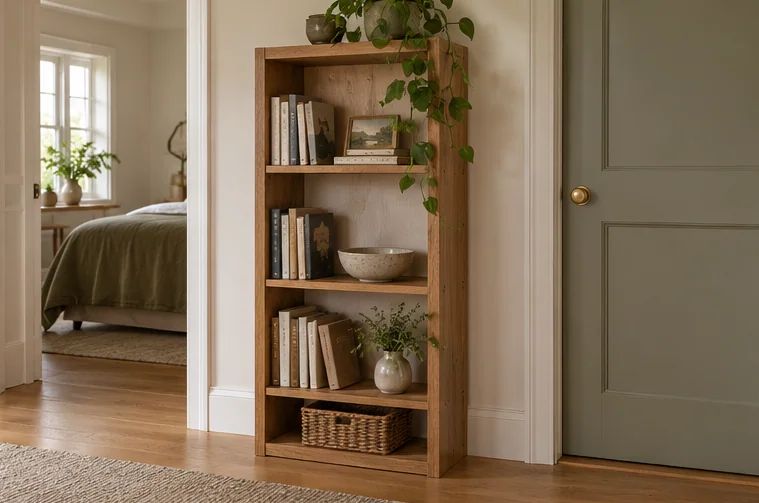
Narrow freestanding bookshelf beside a rental apartment doorway
Choose a single useful display area: the top of a low cabinet, a properly installed shelf or a small bookcase. Put a few meaningful things there, such as a framed photograph, a ceramic bowl and books you use. The personal connection is more important than having enough objects to fill every surface.
Use furniture as its manufacturer intends and secure storage pieces against tipping. The CPSC's Anchor It! campaign recommends anchoring furniture with drawers, doors or shelves. A rental's restrictions do not remove that need; discuss suitable installation with the landlord and use the right fixings for the actual wall. A leaning mirror or unsecured tall bookcase is not automatically a safer workaround.
For lightweight wall art, assess the surface before choosing adhesive strips. Command's FAQ says its products need compatible surfaces and fully cured paint, and should not be used on wallpaper. Follow the exact product's weight, waiting and removal directions; conditions differ between products and countries.
Keep valuable or heavy objects on an appropriate, stable support. A small tabletop frame can be as personal as a gallery wall. Allow room for cleaning around the display and keep the things you use every day accessible, rather than arranging a shelf that must be dismantled whenever you need a book.
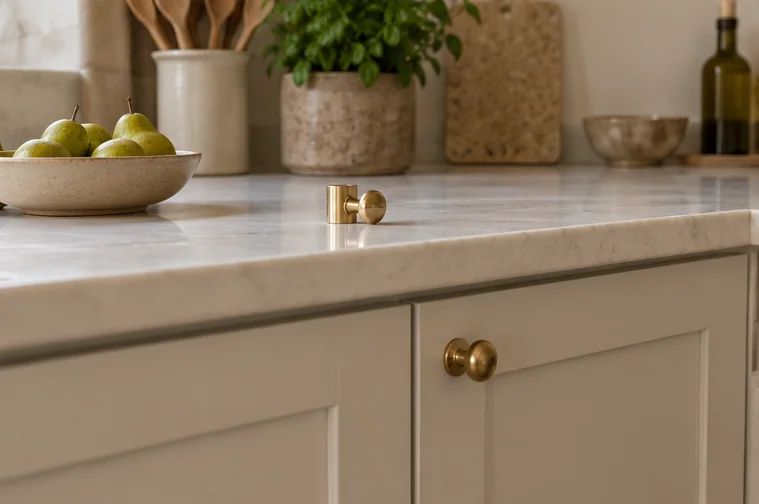
Simple brass cupboard knob with the original knob on the counter
Cabinet knobs can change the feel of a kitchen or wardrobe without changing the cabinet fronts, provided the lease allows it and the replacements fit the existing holes. Measure screw spacing for pulls, the door thickness and the original screw length. A handle that looks similar in a photograph may use a different hole pattern.
Remove one fitting carefully and test the replacement before buying a full set. Check that doors still open without handles colliding, and that screws tighten securely without protruding. Keep the original hardware and its screws in a labeled bag, along with a photograph showing which pieces belong where. Small parts are easy to lose during a move.
Choose a finish that relates to something already present. Muted metal beside an existing tap, for example, can feel more settled than introducing several new metallic tones. Perfect matching is optional; a deliberate repeat is enough.
Avoid drilling new holes or forcing a replacement onto a damaged fitting. Peel-and-stick tile, countertop films and cabinet wraps involve a different level of surface risk, especially around heat, moisture and weakened finishes. They deserve explicit permission and product-specific checks. A small hardware change often delivers the useful visual difference with fewer surfaces to restore.
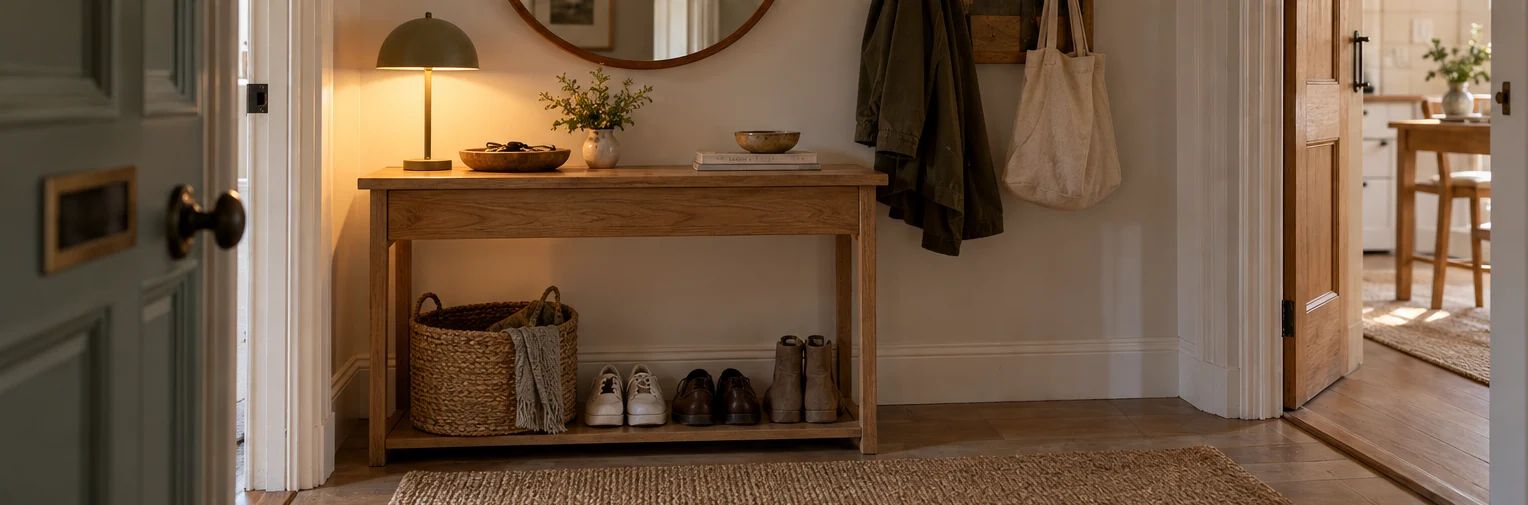
Entry shelf with keys, cloth bag and shoes stored neatly beneath.
A home begins to feel personal when it supports its occupants without constant adjustment. Put a bowl or shallow tray where keys naturally land, a hook where a bag can safely hang and a small lamp where you put on shoes. These are decorating decisions because they determine which objects you see and how orderly the room feels.
Start with one recurring pile. If post gathers on the dining table, create a small upright file beside the entrance and decide when it gets emptied. If the kitchen counter holds several unfinished drinks, give your preferred mug and coffee supplies one practical home. Do not add a new organizer until you know the specific contents and the space available.
Use furniture that can move with you: a shallow console, small side table or freestanding coat stand with a stable base. Check how it behaves when loaded. A coat stand that tips when a bag is removed or a tray perched on an unstable radiator cover will not support an easy routine.
Leave some clear surfaces. Familiar objects stand out more when they are not competing with a permanent overflow. The aim is for useful pieces and personal things to share the room comfortably, rather than for every corner to announce that it has been decorated. A small kitchen station can support this approach; these coffee-corner layouts separate useful storage from unnecessary display.
Begin with portable light and one textile you will use every day. Then make a small place for the objects that matter to you. Keep permissions, removed parts and restoration notes together, so the apartment can feel settled now and remain manageable when it is time to move.
Try seven small apartment decorating ideas on a budget, from improving the layout and buying secondhand carefully to choosing useful lighting and washable textiles.
Try seven warm neutral decor ideas using texture, lighting, wood and a restrained palette. Work with the furniture, finishes and daylight your home already has.
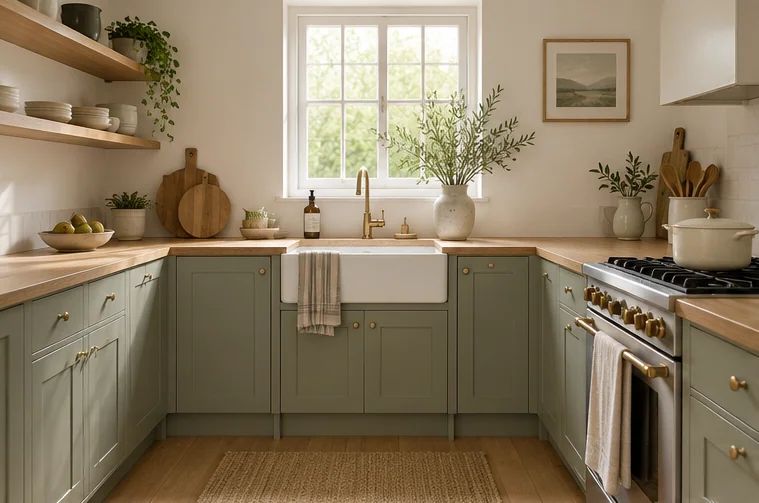
Choose sage green for your actual kitchen light, then pair it with warm whites, wood or a small set of accessories, including practical rental-friendly options.
May we use Google Analytics cookies to understand visits and which ideas readers find useful? It is optional. You can change your choice below at any time. Privacy details